
I want you to stop for a second and think about how your home makes you feel right now.
Not how it looks in photos. How it actually feels to walk through it every single day.
If your answer is anything like "heavy," "chaotic," "like I can never fully relax" — I hear you. I lived in that feeling for years. Piles on the counter that I'd just shuffle from one spot to another. Closets I couldn't open without something falling out. A garage that hadn't been used for an actual car in two years.
Here's what nobody talks about: clutter isn't just a visual problem. It's a mental and emotional one. Studies have linked chronic clutter to elevated cortisol levels — your body's stress hormone. Your brain is literally working harder just by being in a messy room, scanning for threats, unable to rest.
I finally got fed up enough to do something about it. In one single weekend, my family and I went from buried to breathable. This is exactly how we did it — and how you can too.
Fair warning: this guide has some tough love in it. That's the whole point.
The Golden Rules Before You Touch a Single Thing
Before we talk about timelines and rooms, you need to understand the rules. These are non-negotiable. They're what separates a real declutter from just reorganizing your junk into prettier piles.
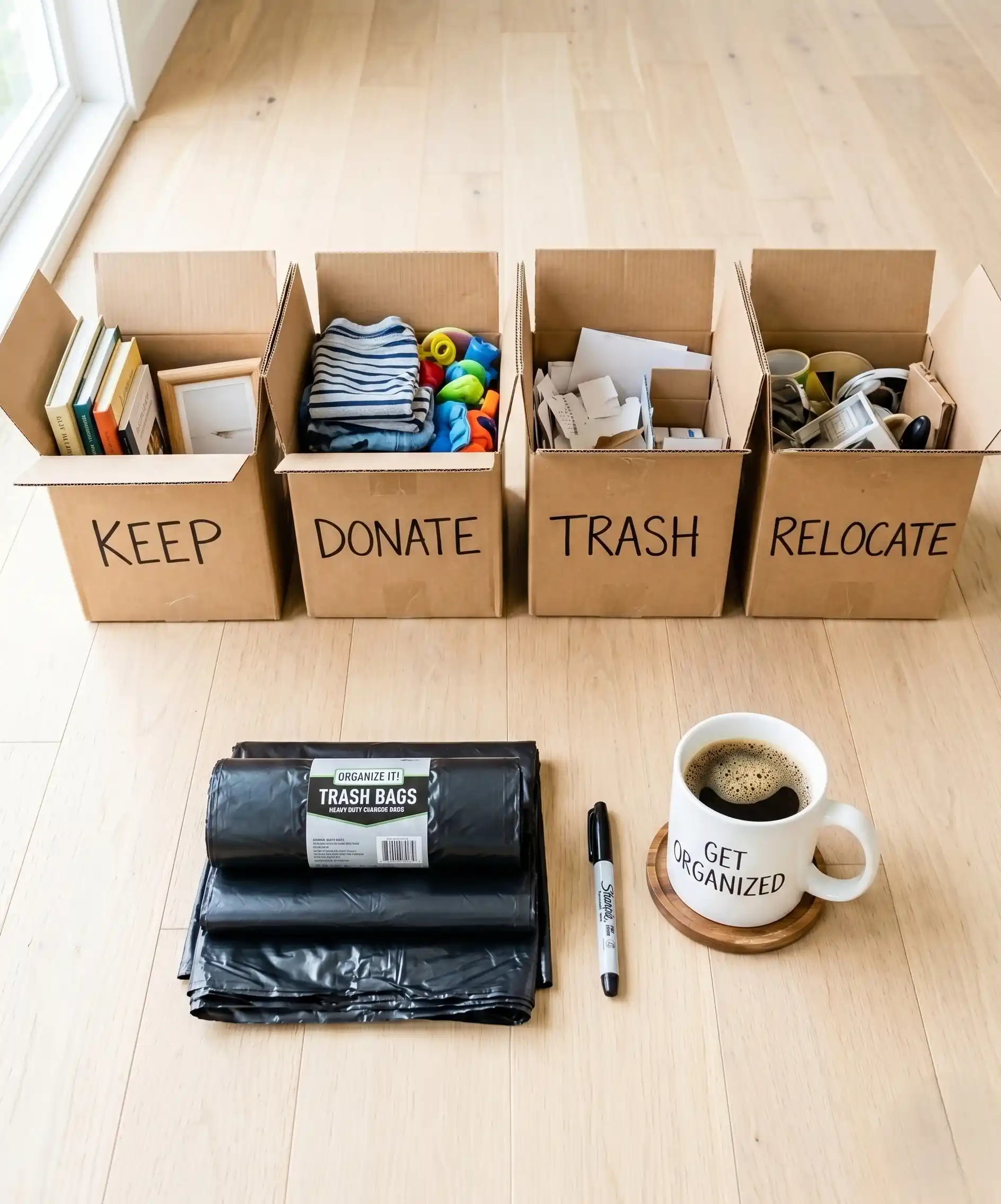
Rule 1: The 4-Box Method
Every single item you pick up goes into one of four boxes. No exceptions.
Keep — You use it, love it, and it has a clear home.
Donate — It's in good condition but you don't need it.
Trash — Broken, expired, stained, or just garbage.
Relocate — It belongs somewhere else in the house.
Rule 2: The 6-Month Rule
If you haven't used it, worn it, or thought about it in the last 6 months — it goes. The only exceptions are genuine seasonal items (holiday decorations, winter coats in summer) and true sentimental heirlooms. Everything else? Out.
Rule 3: No "Maybe" Pile
This is the rule that changes everything. The "maybe" pile is where decluttering goes to die. You revisit it six months later and nothing has changed. If you're holding something and your gut reaction isn't an immediate "yes, I need this," it's a no. Put it in the donate box and move on.
Rule 4: Don't Organize What You Haven't Decluttered First
Buying cute storage bins before you've gotten rid of things is the most expensive mistake in home organization. Declutter first. Organize second. Period.
What to Gather Before the Weekend Starts
Keep it simple. You don't need a special system or expensive supplies.
Large garbage bags (at least 10–15)
Cardboard boxes or laundry baskets (4 per room works well)
Sticky notes and a marker for labeling
A timer (your phone works fine)
Snacks, coffee, and a good playlist — non-negotiables
Friday Night: The 30-Minute Prep That Makes Everything Easier
Don't skip this. Fifteen minutes of prep on Friday night will save you hours of chaos on Saturday.
Your Friday Night Checklist:
Walk through the house and identify the 3 most overwhelming spaces. These go first on Saturday.
Set up your 4 labeled boxes in the first room you'll tackle.
Put a large garbage bag in every room so trash has a landing spot immediately.
Tell your family the plan. If they're helping, assign specific zones so nobody's stepping on each other.
Go to bed at a reasonable hour. This is a physical job tomorrow.
Saturday Morning: The Heavy Lifting (Start Here, Not There)
Wake up, make your coffee, and start by 8 or 9 AM at the latest. The goal for Saturday is to hit the three biggest problem areas in your home. For most people, that's the bedroom closet, the kitchen, and whatever room has been accumulating the most "stuff."
The Bedroom Closet
The closet is first because it's the most personal space — and clearing it out gives you the biggest psychological win to fuel the rest of the day.
Pull everything out. I mean everything. Lay it all on the bed. Yes, it looks terrifying. Do it anyway.
Now go through each item:
Does it fit right now, today?
Have you worn it in the last 6 months (excluding seasonal pieces)?
Do you feel good in it?
If the answer to any of these is no — it goes in the donate box. Not the "think about it" pile. The donate box.
Tough love moment: Most people are holding onto clothes for a version of themselves that either no longer exists or doesn't exist yet. Dress the life you're actually living right now. Everything else is just taking up space and making you feel bad every morning.
The Kitchen
The kitchen is where clutter is most expensive, because it directly affects how efficiently you cook — which affects how much you spend on food.
Start with the cabinets and drawers:
Expired pantry items — trash them immediately, no guilt
Duplicate tools (do you really need 4 spatulas?)
Appliances you haven't used in 6 months (the bread maker, the juicer, the panini press)
Mismatched containers without lids — gone
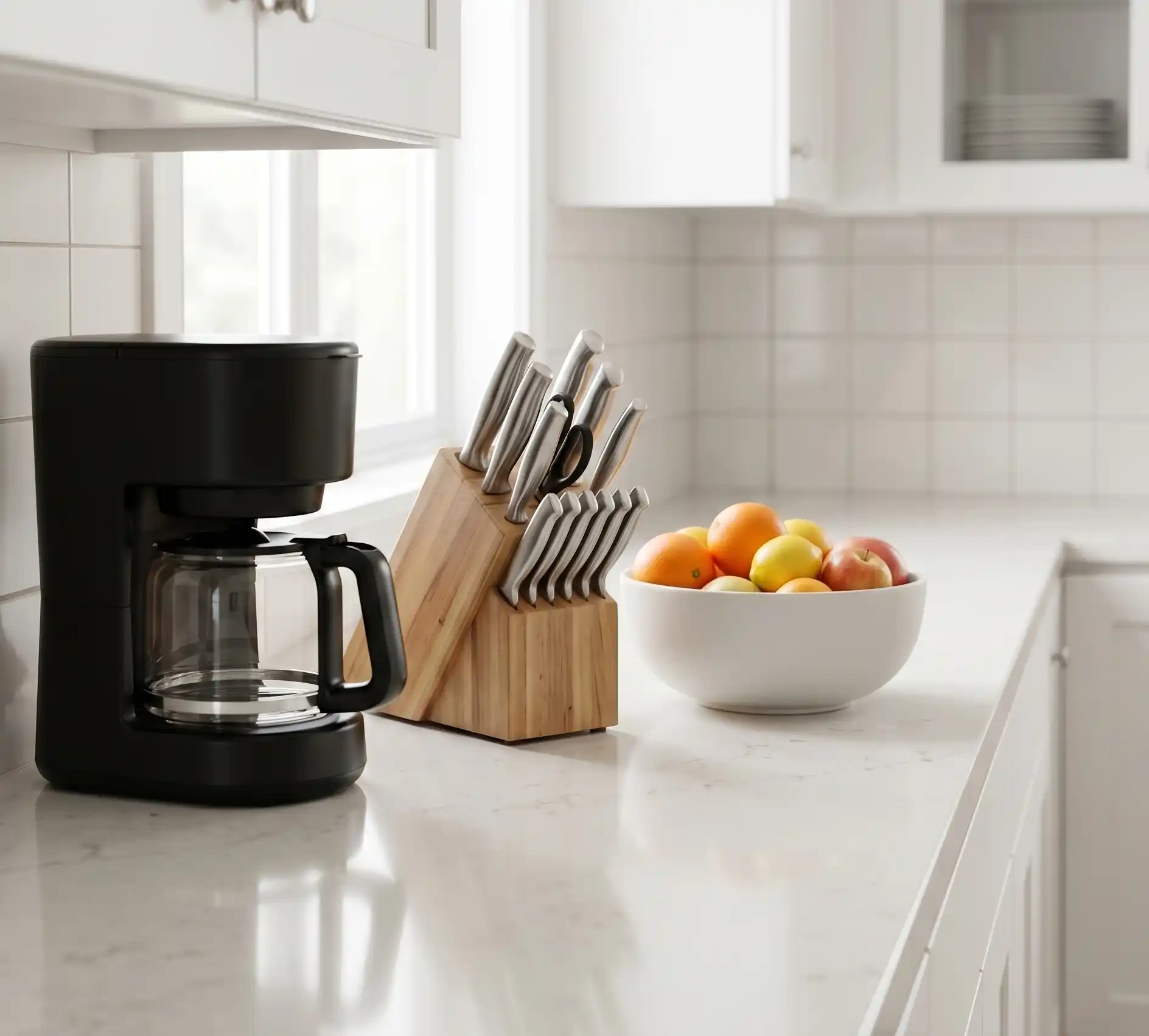
Then clear the counters completely. Everything comes off. Now only put back what you use daily. The counters should only hold your coffee maker, your knife block, and maybe a fruit bowl. That's it.
Saturday Afternoon: The Living Room and Common Areas
By now you've hit the hardest rooms and you've got momentum. The living room is usually less overwhelming once the other two are done.
Living Room Focus Areas:
Bookshelves: Keep only the books you will genuinely re-read or reference. Donate the rest. Books feel important to keep but most of us read them once and they sit on a shelf for a decade collecting dust.
Entertainment units and shelves: Old DVDs, video games you haven't touched, random chargers for devices you no longer own — all of it goes.
Decorative items: This is personal, but ask yourself honestly: does this item bring joy, or did you just never get around to moving it? Every surface in your home that's covered in decor is a surface you have to dust forever.
Saturday Evening: Box Up the Donations
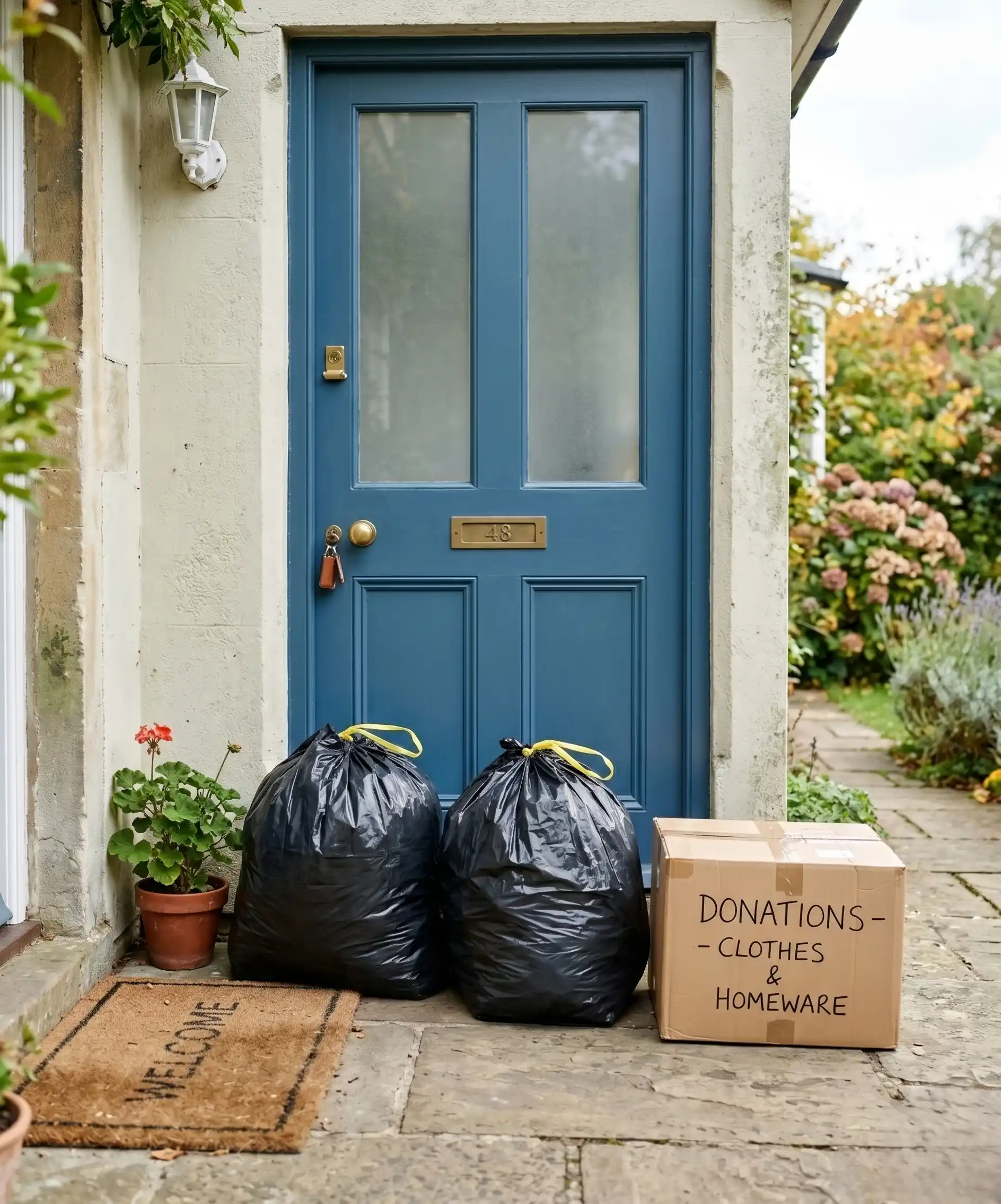
Do not leave donation bags sitting in your house. This is critical.
Load every donate box into your car tonight. Not tomorrow. Tonight. Because if those bags sit in your hallway for a week, things start migrating back out of them — I speak from painful experience.
If you can't drop them off tonight, at minimum, get them out of your living space and into the garage or your car trunk.
Sunday Morning: The Finishing Touches
Sunday is lighter. The heavy lifting is done. Today is about the smaller spaces and the final polish.
Sunday Tackle List:
Bathroom cabinets: Dried-up products, empty bottles, and old makeup—all gone. (Note: Make sure to drop off expired medications at a local pharmacy disposal bin rather than throwing them in the trash!)
Junk drawer: Give yourself one single junk drawer in the house. Consolidate it. Everything else that was living in other junk drawers gets sorted or tossed.
Kids' rooms (if applicable): Do this with them if they're old enough. Teach the process — broken toys go, toys they've outgrown go, and anything they haven't touched in months goes. This is a life skill.
The garage or storage area: Even if you only do 20 minutes, touch it. The goal isn't perfection on day one. The goal is to make a dent.
Sunday Afternoon: The Walk-Through
This is my favorite part of the entire weekend.
Walk through every room slowly. No phone in hand. Just walk and look.
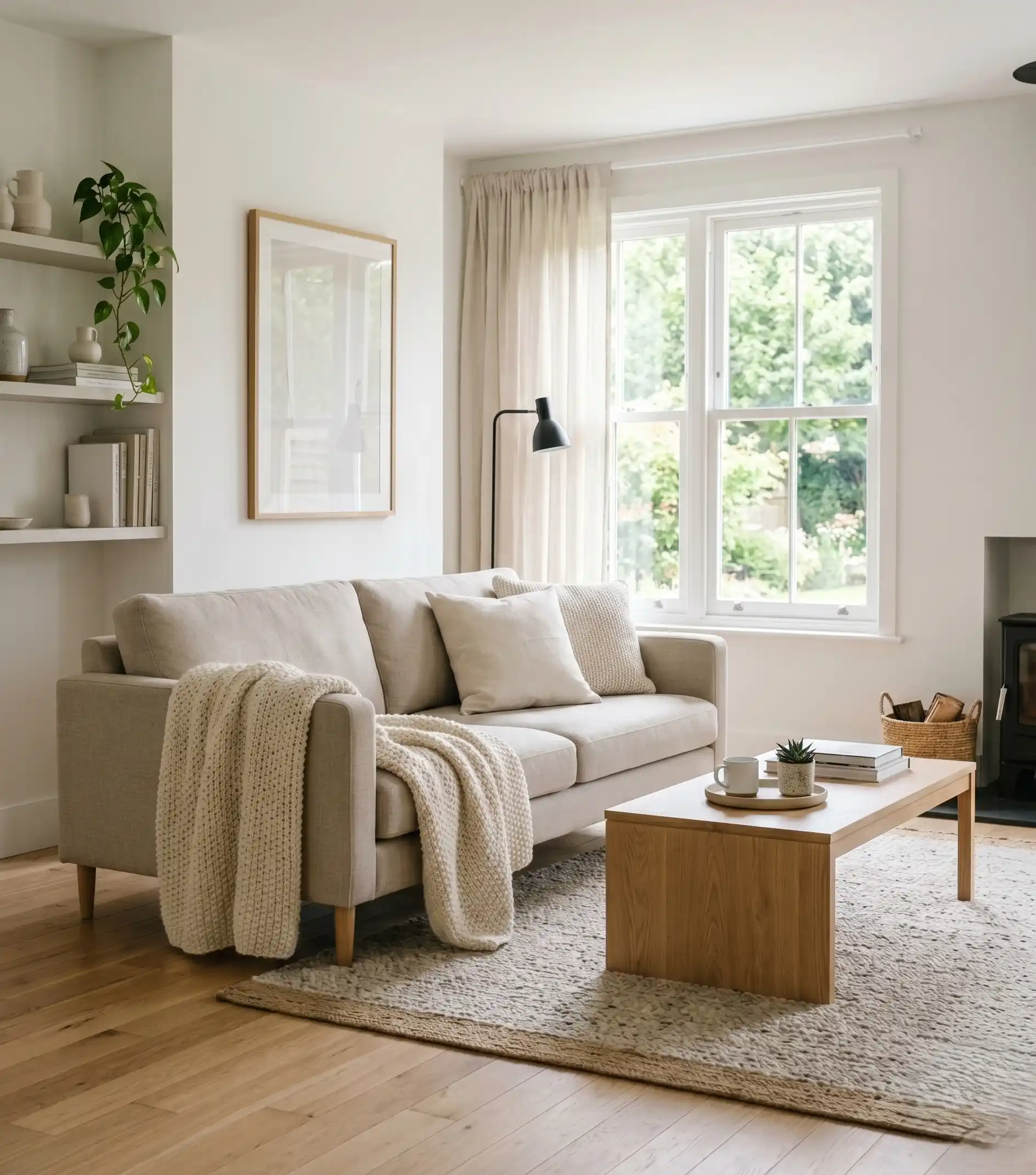
Notice how the air feels different. Notice how your eyes can actually rest instead of darting around to all the visual clutter. Notice that you can see your counters, your floors, your shelves.
This is what your home is supposed to feel like.
Take an "after" photo of your biggest transformation. You will want that evidence next time the clutter starts creeping back in.
One Last Rule: The One-In, One-Out Policy
Starting today, every time something new enters your home, something old leaves. A new shirt means an old one goes to donations. A new kitchen gadget means an old one goes. This single rule is what keeps your home from sliding back into chaos.
Decluttering is not a one-time event. It's a habit you build. But it starts with one ruthless weekend.
You've Got This
I know it feels like a mountain right now. But I promise you — once you start, the momentum builds fast. There is nothing quite like the feeling of opening a closet that actually has space in it, or cooking in a kitchen where you can find everything you need.
Your home should be a place that restores you, not drains you. One weekend is all it takes to start getting it back.
Now I want to hear from you — what's the one room or space in your home that you've been putting off decluttering the most? Drop it in the comments. And if you tackle your own ruthless declutter weekend, come back and tell me how it went. I genuinely want to know.
Found this helpful? Save it to your Pinterest board so you can find it when you're finally ready to tackle it — and share it with a friend who needs that nudge.


Reader Interactions