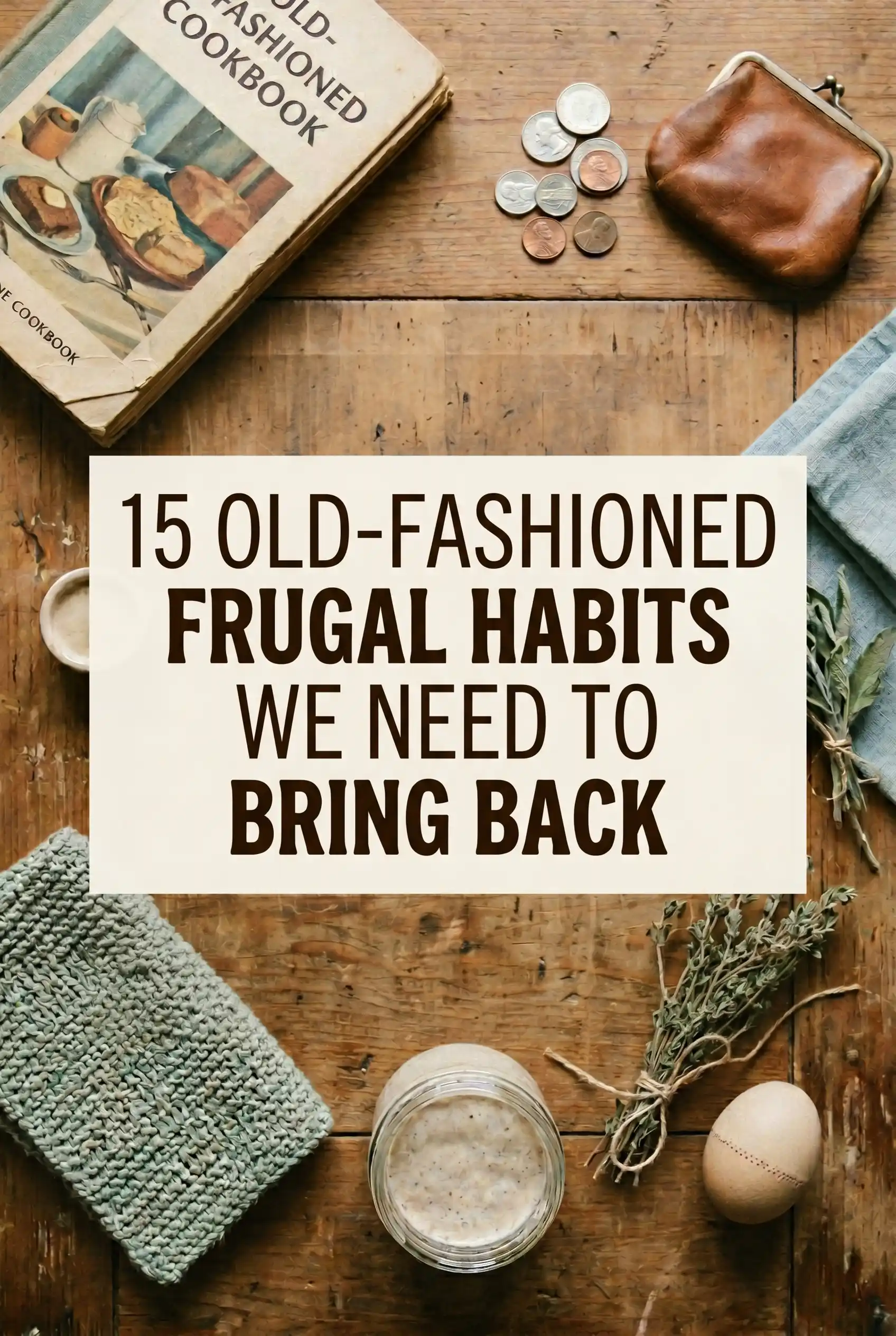
My grandmother raised five kids on a single teacher's salary, owned her home outright by her fifties, and never once complained about being broke.
She wasn't lucky. She wasn't earning more than anyone around her. She just lived by a completely different set of rules — rules that her generation treated as common sense, and that ours has almost entirely forgotten.
She hung laundry on the line. She baked her own bread every Sunday. She mended socks instead of throwing them away. She kept a kitchen scrap bag in the freezer for homemade broth. She bought things once and made them last.
I think about her a lot when I'm at the grocery store, watching my total climb higher than I expected — again. We have every convenience she didn't: grocery delivery, instant everything, a store on every corner. And somehow we're more financially stressed than she ever seemed to be.
The uncomfortable truth is that convenience has a price tag, and we are paying it every single month — in ways so routine we've stopped noticing them.
These 15 old-fashioned habits aren't about going back in time or making life harder. They're about recovering the practical wisdom that our grandparents used every single day — and applying it to the modern life we're actually living.
1. Hang Laundry to Dry Instead of Using the Dryer
The clothes dryer is one of the most energy-hungry appliances in the average American home. Running it just four or five times a week adds roughly $15–$25 to your electric bill every single month.
My grandmother never owned a dryer until she was in her seventies — and her clothes lasted for decades. Elastic stayed tight, colors stayed bright, and fabrics held their shape because heat wasn't destroying the fibers every other day.
You don't need a backyard clothesline to make this work. A basic foldable drying rack indoors handles the job in any apartment or small house. Start by air-drying one load a week. Your clothes and your electric bill will both thank you.
2. Bake Bread from Scratch
A loaf of decent sandwich bread from the grocery store now runs $4–$6. A homemade loaf costs roughly $0.75 in ingredients and takes about 10 minutes of actual hands-on time.
I know "I don't have time to bake bread" is the default response. But most bread recipes are 90% waiting, not working. You mix it, you walk away for an hour, you bake it. A Sunday afternoon batch gives you fresh bread for the whole week.
The flavor of homemade bread is also in a completely different category than anything in a plastic bag. Once my family got used to it, store-bought started tasting like cardboard.
3. Mend Clothes Instead of Replacing Them
My grandmother had a dedicated mending basket that sat by her reading chair. A loose button, a small tear, a hem coming undone — she fixed it the same evening before it became a bigger problem.
We've been trained to treat clothes as disposable. A small hole appears and the shirt goes in the donation bag. But basic hand-sewing takes fifteen minutes to learn and costs nothing beyond a needle and thread you probably already have.
Learning to hem pants, replace buttons, and do a basic running stitch extends the life of every piece of clothing you own by years. That's real money — especially if you're also thrift shopping and want to get maximum use out of every find.
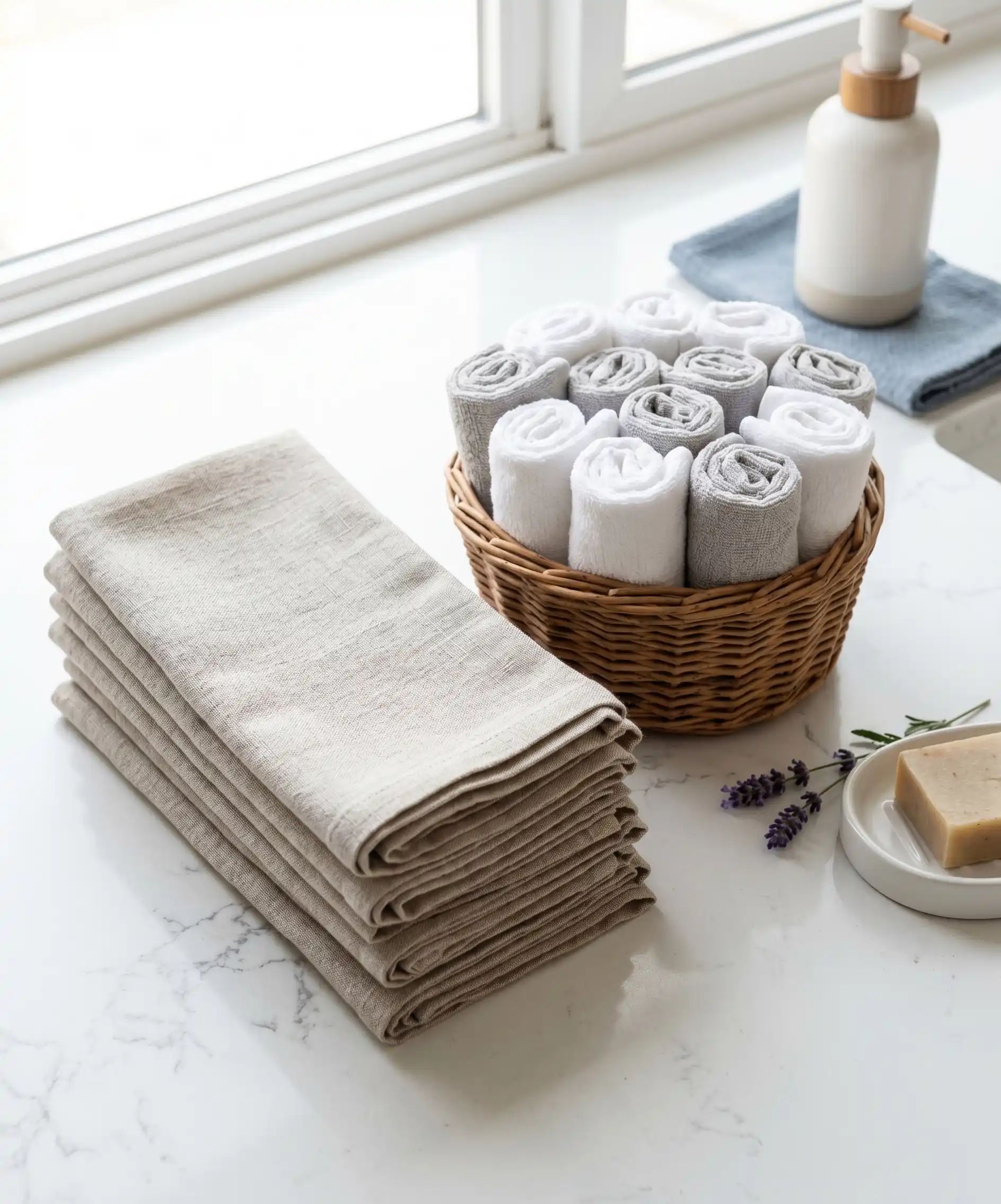
4. Use Washcloths and Cloth Napkins Instead of Paper
The average American family spends $180 or more per year on paper towels alone. Add paper napkins and it climbs higher. These are single-use products you are literally throwing money in the trash with every meal.
Switching to a stack of cheap washcloths and cloth napkins from a thrift store costs about $10 upfront and saves that money back within two months. Toss them in the wash with your regular laundry and they're clean and ready to go.
This was a complete non-issue for our grandparents' generation. It became a "normal" expense only because paper companies spent decades marketing convenience to us as a necessity.
5. Cook a Big Batch of Beans from Scratch
Dried beans cost about $1.50–$2.00 for a one-pound bag that yields the equivalent of three or four cans of beans. A single can runs $0.85–$1.10 now. That's a savings of nearly 70% for something that requires nothing more than soaking overnight and simmering for an hour.
My grandmother always had a pot of beans on the stove at some point during the week. Pinto beans, navy beans, black beans — rotating through them all. They formed the base of so many meals and stretched the food budget further than almost anything else.
A batch cooked on Sunday supplies you with cheap, high-protein ingredients all week. Portion them out in freezer bags and you have the convenience of canned beans at a fraction of the price.
6. Keep a Kitchen Scrap Bag for Homemade Broth
Every time you peel a carrot, chop an onion, or pull leaves off celery, you're generating vegetable scraps that most of us throw straight into the trash. Our grandparents kept a bag in the freezer for exactly this.
Once the bag is full, you dump the scraps into a pot of water with some salt and herbs, simmer for an hour, and strain it. Homemade vegetable broth. Free. Zero effort beyond the simmering.
Store-bought broth runs $3–$4 a carton and it doesn't hold a candle to the depth of flavor you get from a homemade batch. Add chicken carcasses or beef bones from your meals and you have the richest stock you've ever tasted, made entirely from scraps.
7. Stretch Meat With Fillers
The older generations were masters at making a small amount of meat feed a lot of people. A pound of ground beef becomes a meal for six when you mix it with lentils, rice, oats (yes, in meatloaf), or finely diced mushrooms.
The mushroom trick is my personal favorite. Dice them very fine, sauté until they're dark and concentrated, and mix them into ground meat dishes like tacos, pasta sauce, or burgers. They disappear completely but add incredible savory depth while quietly cutting your meat cost by 30–40%.
With ground beef at $6–$7 a pound, stretching every pound further is one of the highest-impact frugal moves you can make at the grocery store right now.

8. Line Your Grocery Shopping With a Strict List and a Meal Plan
My grandmother never walked into a grocery store without knowing exactly what she was buying. She planned the week's meals first, wrote the list from those meals, and bought nothing else. That was the whole system.
Grocery stores are expertly designed to separate you from your money. End caps, eye-level placement, oversized carts — every element is engineered to increase your total. Walking in without a plan is walking in without a defense.
Households that shop from a meal-based list consistently spend 20–30% less per trip than those who shop without one. That's a number worth taking seriously every single week.
9. Grow Even a Small Amount of Your Own Food
You do not need a yard or a garden to grow food. A sunny windowsill handles fresh herbs. A single large pot on a balcony grows tomatoes all summer. A small raised bed in a yard can produce hundreds of dollars of vegetables for about $30 in seeds and soil.
Fresh herbs at the grocery store cost $2–$4 for a tiny bunch that wilts within days. A pot of basil on your kitchen counter costs $3 and keeps producing for months. A pot of chives, parsley, and mint covers nearly every herb need a home cook has.
This habit reconnects you to where food actually comes from — and there is something genuinely satisfying about eating something you grew yourself, even if it's just a handful of herbs on a Tuesday night pasta.
10. Repurpose Everything Before Throwing It Away
Before something goes in the trash, my grandmother asked one question: can this be useful for anything else? Old t-shirts became cleaning rags. Glass jars became food storage. Stale bread became croutons or breadcrumbs. Leftover coffee became the base for a marinade.
We've been trained by a consumer economy to see the end of an item's original purpose as the end of its usefulness entirely. Our grandparents saw a second and third life in almost everything.
Start small. Keep a dedicated rag drawer for old worn-out towels and clothes. Wash and reuse glass jars for pantry storage. Turn every near-stale bread end into homemade breadcrumbs and freeze them. Each habit costs nothing and replaces something you'd otherwise buy.
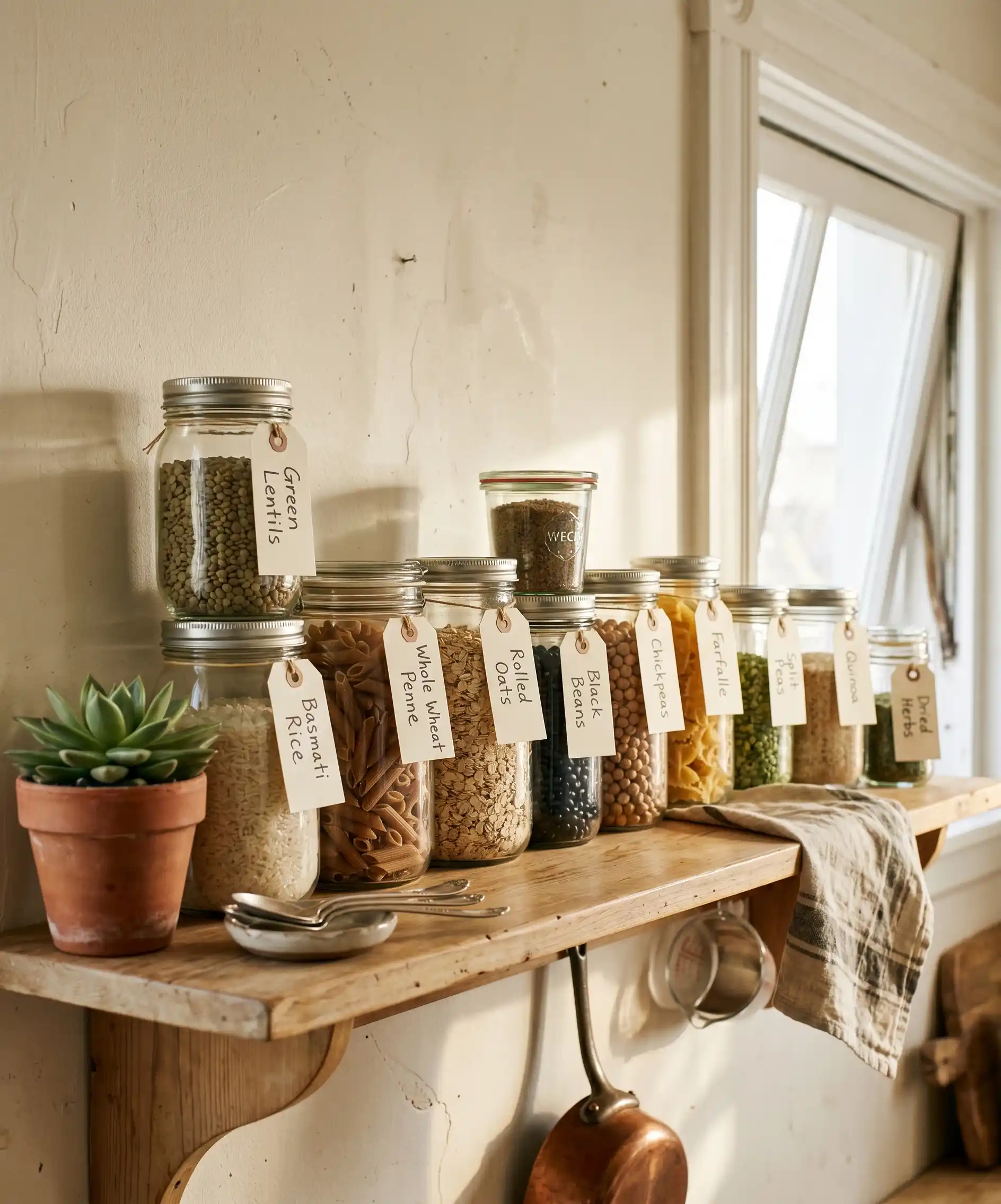
11. Shop Your Pantry Before You Shop the Store
Before my grandmother went grocery shopping, she took an honest inventory of what was already in the house. What needed to be used up? What could be turned into a meal before it went bad?
We lose an estimated $1,500 per year per household to food waste in America. A significant chunk of that happens because we buy new groceries without accounting for what we already have sitting in the back of the cabinet.
Once a week — the day before your grocery run — do a pantry and fridge scan. Plan at least one or two meals around what needs to be used before it's wasted. This one habit alone can cut your grocery bill by $50–$100 a month.
12. Give Homemade Gifts Instead of Store-Bought Ones
Christmas, birthdays, holidays — our grandparents gave homemade gifts without any sense that they were giving something lesser. A jar of homemade jam, a baked loaf, a hand-knitted item, a framed photo — these were considered thoughtful, personal, and meaningful.
We've been sold the idea that money spent equals love expressed. A $50 candle from a fancy store feels more "appropriate" than something made with time and care. That's a cultural shift that has cost us an enormous amount of money, year after year.
A batch of homemade cookies in a mason jar tied with twine costs about $4 and takes an hour. It will be remembered longer than most things you could buy.
13. Air Out Your Home Instead of Running the AC or Heat Immediately
My grandparents' approach to home temperature was simple: open the windows when it's nice outside, layer up when it's cold, and run the mechanical systems only when truly necessary.
We've gotten used to our homes being precisely 72 degrees at all times, regardless of what it costs. The result is energy bills that eat a significant portion of many household budgets every single month.
Opening windows on cool evenings instead of running the AC, using ceiling fans, putting on a sweater before touching the thermostat — these feel small. Over a month, they're worth $30–$80 in energy savings depending on your home size and climate.

14. Buy Second-Hand Before You Buy New
For most of our grandparents, buying something new was the last resort, not the first instinct. You checked what you already had, borrowed from a neighbor, and searched the secondhand market before ever walking into a store for something new.
A piece of furniture, a kitchen appliance, a tool, a piece of clothing — the secondhand market for all of these is bigger and more accessible now than it has ever been. Facebook Marketplace, thrift stores, garage sales, estate sales, eBay — the options are genuinely excellent.
Make it a rule: for any non-consumable purchase over $20, check the secondhand market first. You will find what you need the majority of the time at a fraction of the price.
15. Practice Deliberate Contentment
This is the one that ties everything else together, and it's the hardest one to talk about.
Our grandparents lived in a world without targeted advertising following them around every hour of the day, without an algorithm designed to make them feel like their life was missing something. They had fewer choices, yes — but they also had far less manufactured desire. What they had was generally enough because no one was working overtime to convince them it wasn't.
Deliberate contentment isn't about pretending things are fine when they aren't. It's about actively choosing to find satisfaction in what you already have — before reaching for more. It's asking "do I actually need this, or have I just been shown it enough times to want it?" It's the most radical and most powerful frugal habit of all.
The Wisdom Was Always There
Our grandparents didn't live frugally because they were pessimistic or joyless. They lived this way because they understood something deeply: that independence, security, and a full pantry are worth far more than convenience and novelty.
We don't have to choose between the modern world and these habits. We can have both. A little bit of old-fashioned wisdom quietly folded into a modern life is one of the most practical things any of us can do right now.
Start with just one or two habits from this list. See what changes. I think you'll be surprised how quickly they start feeling like second nature.
Now I'd love to hear from you — what's the most memorable frugal habit your grandparents or parents swore by? Was there something they did that you dismissed as old-fashioned back then, but now you wish you'd paid closer attention to? Share it in the comments — I read every single one, and these stories are my absolute favorite part of this community.
Loved this post? Pin it to your Frugal Living board and share it with someone who could use a little old-fashioned wisdom right now.

Reader Interactions