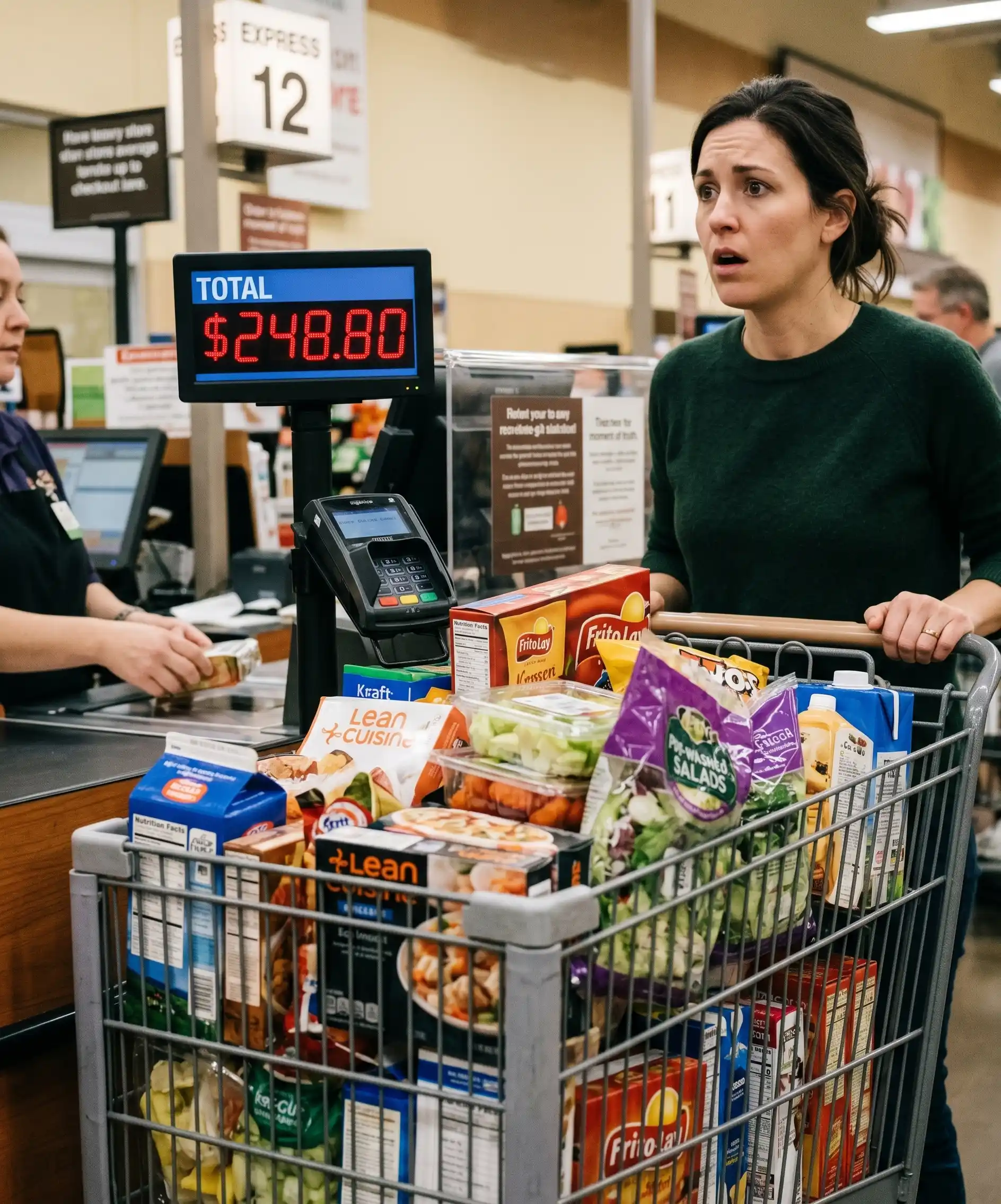
You know that specific feeling at the checkout register when the total climbs past $200 and you're mentally scanning the cart trying to figure out how that happened?
I had that moment about two years ago. I watched the cashier scan item after item, the number on the screen kept climbing — $180, $210, $240 — and I stood there realizing I could barely piece together five actual dinners from everything in that cart. The rest was packaging, convenience markups, and things that felt like groceries but weren't really feeding anyone.
Grocery inflation has been brutal. The average American household now spends over $400 a month on groceries, and that number keeps climbing. But here's what I had to accept before I could actually fix my grocery bill: inflation isn't the only thing driving my total up. The grocery store's entire layout, pricing strategy, and product lineup is specifically designed to separate me from as much money as possible per visit.
Pre-portioned. Pre-washed. Pre-cut. Pre-seasoned. Pre-everything. Convenience is the grocery store's most profitable product, and for years I was buying it without even realizing there was an alternative.
These are the 7 things I stopped putting in my cart — and what I do instead. None of these swaps require cooking skills, extra time, or deprivation. They just require knowing the trap before you walk into it.
1. Pre-Cut and Pre-Washed Fruits and Vegetables
The Trap:
The produce section convenience items are some of the highest-margin products in the entire store. Grocery stores know that busy shoppers will pay a significant premium to skip five minutes of chopping. A whole pineapple sits right next to a plastic container of pre-cut pineapple chunks at nearly three times the price per ounce. The convenience tax is real, and it's enormous.
Pre-washed salad bags are another major trap. You're paying a steep markup for greens that have already started wilting from the moment they were processed and bagged — and you're getting them in a single-use plastic container that represents about 30% of what you paid.
The Swap:
I buy whole produce exclusively. A whole pineapple, a whole head of broccoli, a full butternut squash. I wash and cut everything myself in one batch when I get home — it takes about 20 minutes on grocery day and the produce lasts significantly longer because it hasn't been sitting cut in a container.
For salads, I buy a whole head of romaine or a full cabbage and shred it myself. It's fresher, it lasts longer in the fridge, and the cost difference is hard to look past once you've done the math.
The Math:
Pre-cut pineapple: ~$5.50 for roughly 16 oz
Whole pineapple: ~$2.50 for roughly 24 oz of actual fruit
Pre-washed salad bag: ~$4.50 for 5 oz
Whole head of romaine: ~$1.50, yields the same amount easily
Conservative estimated annual savings switching all pre-cut produce: $300–$400/year
Estimated Annual Savings: ~$350
2. Individual Snack Packs and Portion-Controlled Packaging
The Trap:
Walk down the snack aisle and count how many products are sold as individual serving packs — 100-calorie bags of crackers, single-serve chip bags, individually wrapped cheese sticks sold in a multi-pack. The packaging is cute, the portion control sounds health-conscious, and the price is absolutely punishing.
You are paying for the packaging and the factory labor to divide bulk food into tiny bags. The product inside is identical to the bulk version. The markup for individual packaging runs anywhere from 50% to over 200% compared to buying the same food in a standard size.
The Swap:
I buy the regular-size or bulk version of everything and portion it myself at home. A box of sandwich bags and five minutes of portioning on Sunday afternoon does exactly what the factory does — for a fraction of the cost. Crackers go into a small container. Grapes get rinsed and divided. Trail mix gets scooped into reusable bags for school lunches.
It takes about ten minutes total on meal prep day and I get two to three times the food for the same price.
The Math:
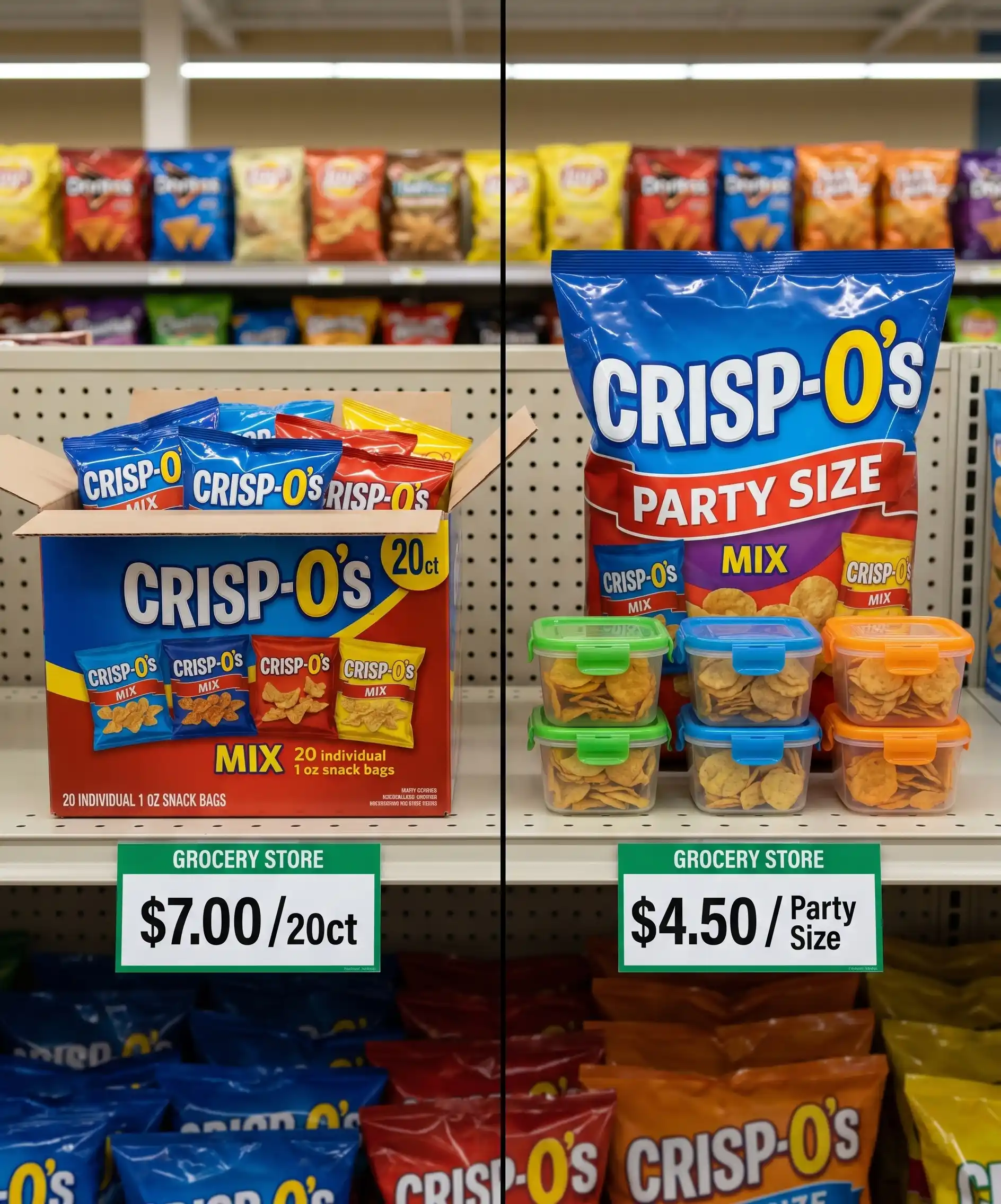
Individual 1 oz snack bags (multi-pack of 20): ~$7.00 → roughly $0.35/oz
Standard party-size bag of the same product: ~$4.50 → roughly $0.14/oz
That's a 150% markup per ounce for the portioned version
My family was buying 2–3 snack multi-packs per week: ~$15–$21/week
Switching to bulk and portioning ourselves: ~$6–$8/week
Weekly savings: ~$10 | Annual savings: ~$520
Estimated Annual Savings: ~$500
3. Bottled Water and Single-Serve Beverages
The Trap:
A 24-pack of bottled water at Walmart runs about $4.50. That sounds cheap until you realize you're paying approximately $0.04 per ounce for something your tap delivers for fractions of a cent per gallon. And most households buying cases of water are buying them weekly — which means this "cheap" habit costs over $200 a year.
Single-serve juice bottles, sparkling water cans, and flavored water bottles in the grab-and-go section are even worse. A 20 oz bottle of Smartwater near the checkout is $2.50. That's more expensive per ounce than gasoline.
The Swap:
A basic pitcher filter like Brita costs about $25 upfront and roughly $20–$25 a year in replacement filters. That covers a family's drinking water entirely. For sparkling water fans, a SodaStream or similar carbonating device pays for itself within a few months compared to buying canned sparkling water weekly.
I keep a reusable water bottle filled in the fridge at all times. When we're out, we bring our own. The habit took about a week to build and I genuinely don't think about it anymore.
The Math:
Weekly case of bottled water: ~$4.50 × 52 weeks = $234/year
Pitcher filter annual cost (filters only): ~$22/year
Occasional single-serve grab-and-go bottles (2–3/week): ~$300/year
Replacing with reusable bottle + home filter: ~$22/year
Total annual savings: $200–$500 depending on current habits
Estimated Annual Savings: ~$300
4. Name-Brand Spices from the Spice Aisle
The Trap:
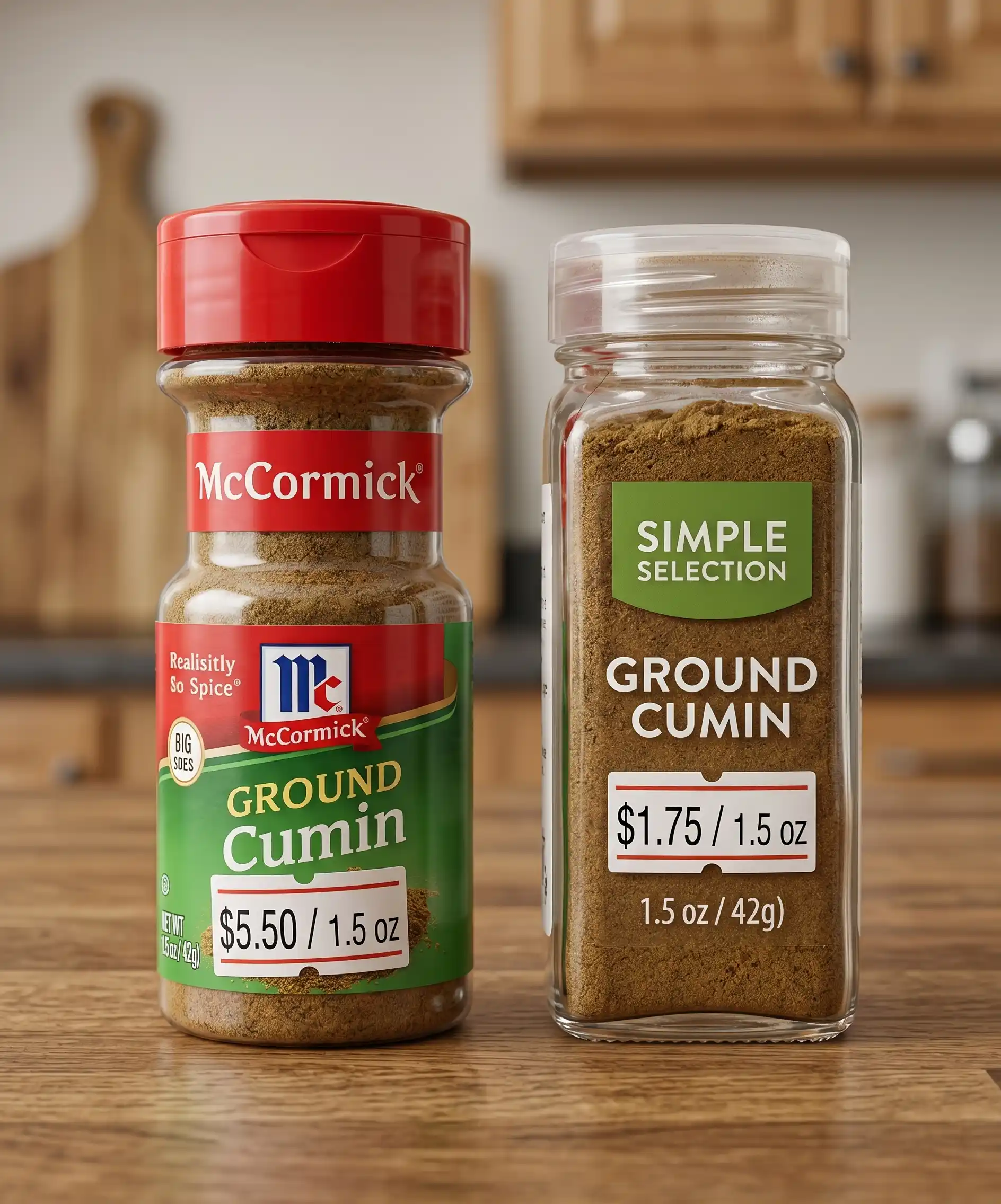
The spice aisle is one of the most quietly expensive sections in any grocery store. A small jar of McCormick ground cumin costs around $5.50 for 1.5 oz. The exact same spice — same flavor compound, same country of origin in many cases — is available in the international foods aisle, at Aldi, or at a bulk grocery store for dramatically less.
Beyond the brand markup, most people are also paying for spice jar real estate — a cute labeled jar that's 60% air because the standardized packaging format holds more than the actual quantity sold. You're buying the brand and the packaging. The spice itself is the smallest cost.
The Swap:
I buy all my spices from three places now: the international foods aisle of my regular grocery store (Latin and South Asian spices are dramatically cheaper here), the store-brand section at Aldi, and the bulk bins at a natural grocery store where I can buy exactly what I need.
Cumin, paprika, garlic powder, chili powder, coriander, turmeric — all of these are available for 50–70% less than the name-brand spice aisle versions. The flavor is identical. I've done side-by-side comparisons in my own kitchen and cannot tell the difference.
The Math:
Name-brand spice jar (1.5 oz): ~$5.50
Store-brand or international aisle equivalent: ~$1.50–$2.00
Average savings per jar: ~$3.50–$4.00
A household that buys or replaces 2–3 spice jars per month saves ~$84–$144/year
Plus the markup on premade spice blends (taco seasoning, ranch mix, etc.) adds another $50–$80/year in potential savings
Estimated Annual Savings: ~$150
5. Bagged Salad Kits
The Trap:
Bagged salad kits — the ones with the dressing packet, the crouton bag, and the pre-shredded toppings all included — are one of the most cleverly marketed premium products in the entire produce section. They feel healthy, they feel convenient, and they feel like a complete meal component. They cost $4.50 to $6.00 for what amounts to about two side servings of salad.
The greens inside those bags are also at peak freshness the day they were packed, which was likely several days before you bought them. The moment that bag is cut and processed, the wilting clock starts. Most bagged salad kits have a real usable window of about two days once you open them.
The Swap:
I buy a whole head of romaine or a head of green cabbage and a few add-ins separately. A head of romaine costs $1.50 and lasts four to five days in the fridge. A block of parmesan I grate myself, a handful of homemade croutons from stale bread, and a $2.50 bottle of dressing that lasts weeks — and I have a Caesar salad that costs about $0.80 a serving instead of $2.50.
The kit is not saving you time in any meaningful way. The dressing is already made. The croutons are already made. All you're buying is pre-chopped lettuce at a serious markup.
The Math:
Bagged salad kit: ~$5.00, serves 2–3
DIY version (whole head + dressing + toppings prorated): ~$1.50 for the same servings
Savings per salad: ~$3.50
Making salad 3x per week for 52 weeks: potential savings of ~$546/year
Conservative estimate for a family making salad 1–2x per week: ~$250–$350/year
Estimated Annual Savings: ~$300
6. Pre-Made Frozen Dinners
The Trap:
Frozen dinners have gotten expensive. A "premium" frozen meal like a Lean Cuisine or Stouffer's family-size lasagna runs $4.50 to $9.00. The appeal is pure convenience — no cooking, no thinking, just microwave and eat. Grocery stores stock them strategically near the checkout path in the frozen section because they know tired shoppers grab them reflexively after a long day.
The problem is the math. A $7.50 frozen lasagna feeds two people, maybe three if they're not hungry. The same lasagna made from scratch costs about $4.00 in ingredients and feeds six. You're paying a 200–300% convenience premium and getting a smaller, less nutritious meal with more sodium and fewer actual ingredients.
The Swap:
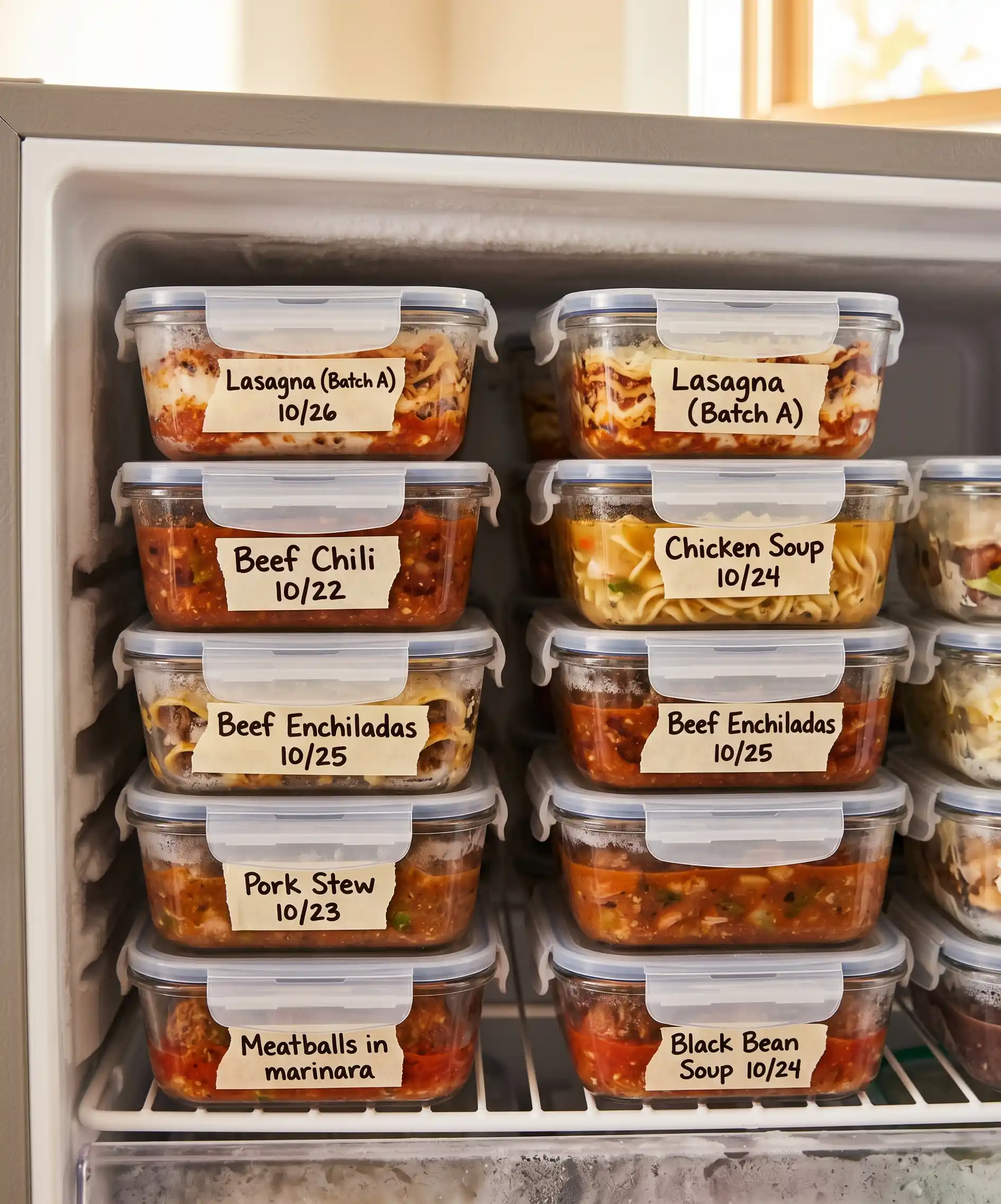
I make my own "freezer meals" in batches. Once or twice a month, I double or triple a recipe — lasagna, chili, soup, enchiladas — and freeze individual portions in labeled containers. The cost per portion drops dramatically, and I still have the convenience of pulling a fully made meal from the freezer on a tired weeknight.
This approach takes one extra hour of cooking on a batch day. That single hour saves hundreds of dollars a year and gives me better food.
The Math:
Frozen dinner (family size), 2–3 servings: ~$7.50
Homemade equivalent, batch cooked, same servings: ~$2.50–$3.50
Savings per meal: ~$4.00–$5.00
Buying frozen dinners 2x per week: ~$780/year on premade meals
Switching to batch-cooked freezer meals: ~$260/year for the same meals
Annual savings: ~$500
Estimated Annual Savings: ~$500
7. Non-Food Items From the Grocery Store
The Trap:
This is the one that catches almost everyone. Batteries, greeting cards, over-the-counter medications, cleaning supplies, aluminum foil, plastic wrap, light bulbs — grocery stores carry all of these because they know you'll grab them out of convenience while you're already there. And they price them accordingly.
A pack of AA batteries at a grocery store costs $6.50 for a 4-pack. The same batteries on Amazon or at a dollar store cost $3.00 or less for the same pack. A birthday card at a grocery store costs $5.50 to $7.00. The same sentiment from Dollar Tree costs $1.25. Grocery store markup on non-food convenience items runs 40–100% above what you'd pay at a dedicated retailer.
The Swap:
I buy all non-food household items from three places only: Amazon (for batteries, foil, wrap, and staples bought in bulk), Dollar Tree (for greeting cards, basic cleaning supplies, and seasonal items), and Walmart for everything else. I no longer buy any of these items at the grocery store — ever.
This requires a small mindset shift: the grocery store is for food. Everything else gets sourced somewhere cheaper. Once you make that rule, you stop making $8 impulse grabs at the checkout aisle.
The Math:
Grocery store batteries (4-pack AA): ~$6.50 vs. bulk pack elsewhere: ~$0.50/battery
Grocery store greeting card: ~$6.00 vs. Dollar Tree: ~$1.25
OTC medications at grocery store vs. generic at Walmart/Amazon: 30–50% more
Conservative estimate on non-food items bought at grocery store markup per year: ~$200–$350
Switching all non-food items to lower-cost dedicated retailers: savings of ~$150–$250/year
Estimated Annual Savings: ~$200
The Total Picture
Let's add up what these seven swaps save in a year:
# | Item Cut From Cart | Annual Savings |
|---|---|---|
1 | Pre-Cut Produce | ~$350 |
2 | Individual Snack Packs | ~$500 |
3 | Bottled Water & Single-Serve Drinks | ~$300 |
4 | Name-Brand Spices | ~$150 |
5 | Bagged Salad Kits | ~$300 |
6 | Pre-Made Frozen Dinners | ~$500 |
7 | Non-Food Grocery Store Items | ~$200 |
TOTAL | ~$2,300/year |
The Grocery Store Isn't Your Enemy — But It's Not Your Friend Either
Here's the thing: grocery stores are businesses, and they are very good at their jobs. Every product placement, every bundle, every convenience item is designed to increase the average cart total. That's not sinister — it's just commerce.
But once you know where the traps are, you can shop around them. You don't have to stop buying the things you enjoy. You just have to stop buying the packaging and convenience markup around those things.
The shopper who cuts whole produce, portions her own snacks, filters her own water, and buys spices from the international aisle is eating the same food as the shopper who doesn't — for about $2,300 less per year. That money goes to groceries that actually feed people, or better yet, straight to savings.
You're not depriving yourself of anything real. You're just outsmating a system that was designed to take more than it needs to.
Now I want to hear from you — what's one item you absolutely refuse to pay grocery store prices for? Is it the bottled water, the greeting cards in the checkout aisle, the pre-cut produce? Drop it in the comments — I love finding new grocery swaps I haven't thought of yet, and your answer might save someone else real money this week.
Found this helpful? Save it to your Frugal Living or Grocery Budget board on Pinterest — and share it with a friend who's been standing at checkout wondering how the total got so high.

Reader Interactions